How to Improve Customer Satisfaction in Your Mobile App: A Complete Guide for Modern Businesses
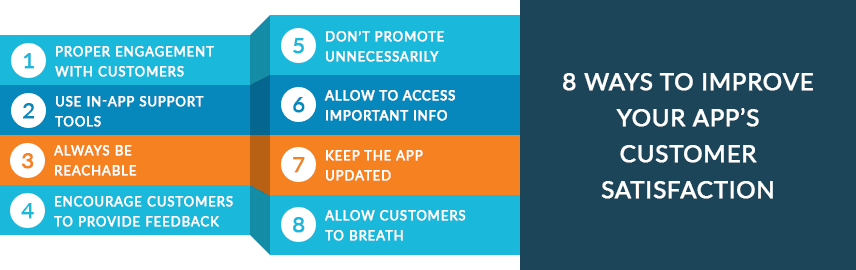
Mobile apps have become the foundation of how modern businesses interact with their customers. From discovery to support, every interaction now happens within a few taps, making your mobile app the most powerful extension of your brand.
As expectations continue to rise, users no longer settle for basic functionality. They expect speed, personalization, convenience, and instant support. If your app fails to deliver on any of these, users are quick to disengage.
This is why customer satisfaction is no longer just an outcome. It is a strategy. Businesses that invest in building seamless, intuitive, and user-focused mobile experiences are the ones that consistently outperform their competitors.
Creating such experiences requires more than just development. It involves a thoughtful combination of mobile app development, intuitive UI and UX design, and performance optimization to ensure that every interaction feels smooth and meaningful. When these elements come together, your app does not just function well. It becomes a powerful platform that drives engagement, builds trust, and strengthens long-term customer relationships.
Understanding What Truly Drives Customer Satisfaction
Customer satisfaction is not defined by a single feature. It is the result of how well every element of your app works together to create a smooth and meaningful experience.
Users notice everything. They notice how quickly your app loads, how easily they can navigate, and how relevant the content feels. More importantly, they notice how your app makes them feel.
An app that reduces effort, anticipates needs, and provides clarity creates a lasting impression. This is where strategic services like mobile app UI and UX design, user behavior analytics, and performance optimization become essential. These solutions ensure that your app is not just functional but truly user-centric.

Creating Engagement That Feels Personal and Relevant
Engagement is most effective when it feels natural. Instead of overwhelming users with constant updates, your app should focus on delivering meaningful interactions that add value.
When users see content that aligns with their preferences, the experience becomes more intuitive and enjoyable. Personalization plays a key role here, helping your app adapt to individual behaviors and expectations.
This is where integrating AI-driven personalization systems and user journey mapping strategies can significantly enhance engagement. These services allow you to create experiences that feel tailored, making users more likely to return and interact with your app consistently.
Delivering Seamless Support Within the App
Support is one of the most critical aspects of customer satisfaction. When users encounter issues, they expect immediate solutions without having to leave the app.
Providing in-app support through chat, help centers, or automated assistance ensures that users can resolve problems quickly and efficiently.
A strong support system builds trust and reinforces reliability. Businesses that invest in AI chatbot development, in-app help desk integration, and customer support automation are able to deliver faster and more consistent responses, improving both user experience and operational efficiency.

Making Communication Effortless Across Channels
Customers interact with brands across multiple touchpoints, and they expect these interactions to feel connected.
Your mobile app should make it easy for users to reach out through calls, messages, or email without any friction.
By integrating omnichannel communication solutions and CRM systems, businesses can create a unified experience where every interaction feels seamless. This not only improves accessibility but also strengthens user trust and satisfaction.
Using Feedback as a Growth Strategy
Customer feedback provides direct insight into user expectations and areas for improvement.
When users are given a voice and see their feedback being implemented, it creates a strong sense of connection with your brand. This continuous cycle of feedback and improvement ensures that your app evolves in alignment with user needs.
To make the most of this, businesses can leverage feedback management systems, data analytics tools, and UX optimization services to transform insights into actionable improvements.
Communicating with Purpose and Precision
Communication can enhance user experience or disrupt it, depending on how it is executed.
Excessive notifications or irrelevant messages can quickly lead to frustration. On the other hand, well-timed and personalized communication adds value and keeps users engaged.
By implementing marketing automation platforms and behavioral targeting strategies, businesses can ensure that every message is meaningful, relevant, and aligned with user expectations.
Empowering Users Through Self-Service Experiences
Modern users prefer solving problems on their own rather than waiting for assistance.
Providing easy access to information such as FAQs, guides, and account details helps users find answers quickly and efficiently.
Developing a strong self-service ecosystem through knowledge base creation, content structuring, and UX optimization not only improves satisfaction but also reduces the load on support teams.
Giving Users Control Over Their Experience
Customer satisfaction increases when users feel in control. Allowing users to customize their preferences, manage notifications, and tailor their experience makes the app more comfortable and user-friendly.
Implementing preference management systems and personalization frameworks helps create a flexible and user-driven experience that enhances retention and engagement.
Keeping Your App Updated and Future-Ready
A mobile app that does not evolve quickly loses its relevance. Regular updates help improve performance, introduce new features, and fix issues, ensuring that your app remains aligned with user expectations.
With the help of app maintenance services, performance monitoring, and continuous development strategies, businesses can ensure that their apps remain stable, secure, and engaging over time.

Conclusion
Customer satisfaction is not achieved through a single feature or update. It is built through a consistent focus on user needs, seamless experiences, and continuous improvement.
A successful mobile app is one that simplifies interactions, delivers value, and builds trust at every stage of the journey.
When your app is designed with the user at its core, it does more than function. It creates meaningful experiences that drive loyalty, retention, and long-term growth.
Build a Customer-Centric Mobile App with the Right Strategy If you are looking to create or enhance a mobile app that delivers exceptional customer satisfaction, having the right expertise is essential.
At Promatics Technologies, we help businesses design and develop mobile apps that are user-focused, scalable, and performance-driven.
From custom mobile app development and UI and UX design to AI-driven personalization, support system integration, and ongoing optimization, we ensure that your app is built to engage, retain, and grow your user base.
Connect with our team today and start building a mobile app experience your customers will truly value.
Frequently Asked Questions
1. What is customer satisfaction in mobile apps?
Customer satisfaction in mobile apps refers to how well your app meets user expectations in terms of usability, performance, personalization, and support. It is influenced by the overall experience users have while interacting with your app.
2. Why is customer satisfaction important for mobile apps?
Customer satisfaction directly impacts user retention, engagement, and brand loyalty. A satisfied user is more likely to continue using your app, recommend it to others, and contribute to business growth.
3. How can mobile app design improve customer satisfaction?
A well-designed app with intuitive navigation, fast loading times, and visually appealing interfaces enhances usability. Investing in professional UI and UX design ensures that users can interact with your app effortlessly.
4. What role does personalization play in mobile app success?
Personalization helps deliver relevant content and recommendations based on user behavior. It makes the app experience more engaging and increases user satisfaction by making interactions feel tailored and meaningful.
5. How does in-app support improve user experience?
In-app support allows users to resolve issues quickly without leaving the app. Features like chatbots, live chat, and help centers ensure immediate assistance, reducing frustration and improving satisfaction.
6. How often should a mobile app be updated?
Updates should be regular but purposeful. They should focus on improving performance, fixing bugs, and introducing valuable features without overwhelming users.
7. What are the best ways to collect customer feedback in mobile apps?
Feedback can be collected through in-app surveys, ratings, reviews, and user behavior analytics. Acting on this feedback is essential for continuous improvement.
