Mobile Enterprise App Development: A Business Approach to Achieve Results

TL;DR
- Explains enterprise mobile app development strategies.
- Covers workflow automation and productivity improvements.
- Highlights security, scalability, and system integration.
- Discusses enterprise deployment and maintenance practices.
- Helps organizations improve business operations through mobile apps.
Large organizations increasingly turn to enterprise mobile applications to streamline operations and empower their workforce in today’s fast-paced business landscape. These custom-built software solutions act as digital engines, optimizing workflows and boosting efficiency.
The global enterprise software market continues to witness explosive growth, with spending reaching a staggering $755 billion in 2022 and projected to climb even higher. This surge reflects the growing recognition of the transformative power of these mobile tools. However, crafting successful enterprise mobile apps is a significant feat. Unlike apps designed for public consumption, these solutions require meticulous planning to ensure scalability, robust security, and seamless integration with existing systems. Strict adherence to industry regulations adds another layer of complexity to the development process.
This article delves deeper into mobile enterprise application development, exploring the key benefits, essential features, and crucial stages in building a successful mobile app that propels your business to new heights.
What is Enterprise Mobile Application Development?
Enterprise mobile applications are not your average app downloads. These are tailored software solutions designed to address a particular organization’s specific needs and workflows. Their primary objective is to enhance existing processes and empower employees to perform their tasks more effectively. Unlike publicly available apps, these solutions are deployed exclusively within a company’s infrastructure.
The Nuances of Enterprise Mobile App Development
Developing mobile apps for large enterprises presents unique challenges compared to projects for startups or small businesses. The sheer volume of data and potential financial implications raise the stakes considerably. Here are some key aspects that differentiate enterprise mobile app development:
- Scalability: As businesses grow, so too should their mobile app. The app’s architecture must accommodate this expansion, ensuring smooth performance even with a significant increase in users and data.
- Flexibility: The app needs to be adaptable to future needs. A well-designed architecture allows for integrating new modules and complex functionalities as the business evolves.
- Security: Enterprise apps handle sensitive data, so robust security measures are paramount. The software must adhere to the organization’s stringent security standards and industry regulations to prevent data breaches and other vulnerabilities.
Beyond these core considerations, companies must also navigate the app store approval process. Meeting the technical, legal, and usability guidelines set by platforms like the Play Store and App Store is crucial for successful deployment. A single misstep can lead to delays and significant financial losses. Therefore, minimizing the risk of errors throughout the development process is essential.
Types of Enterprise Mobile Applications
Before delving into enterprise mobile application development, grasping the diverse software types is crucial. These applications serve distinct business functions, necessitating a nuanced understanding to tailor effective solutions.
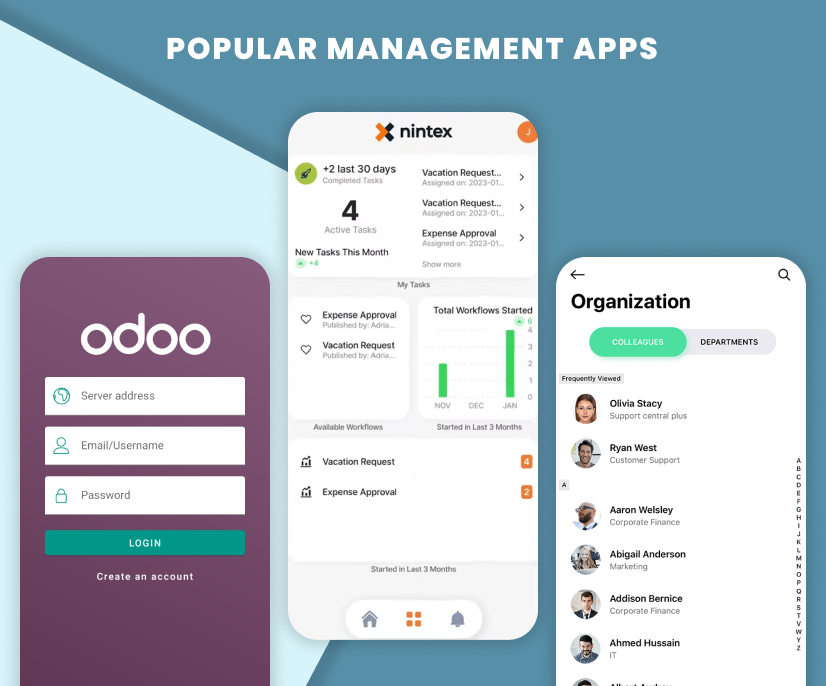
Management Software
Management software is one of the most essential categories because it covers nearly all business aspects. Some examples are:
- ERP (Enterprise Resource Planning) apps: Imagine having a central hub for everything from inventory management to real-time financial reporting. ERP apps seamlessly integrate these functions, providing a holistic view of your business.
- HR Management apps: Manual paperwork? Outdated. HR apps automate onboarding, leave requests, and performance reviews, freeing valuable time for strategic HR initiatives.
- Business Process Management (BPM) apps: Whether streamlining workflows or ensuring compliance, BPM apps identify inefficiencies and automate processes for enhanced productivity and cost savings.
- Industry-Specific Apps: The world of enterprise mobile apps extends far beyond generic solutions. From construction management to healthcare logistics, countless industry-specific solutions cater to unique business needs and challenges.
Team Collaboration Software
Communication is vital for a thriving team. Mobile apps like Slack and Asana have revolutionized the way we work. These platforms enable real-time messaging, task management, file sharing, and project collaboration, keeping everyone on the same page, regardless of location.
Subcategories of Team Collaboration Software
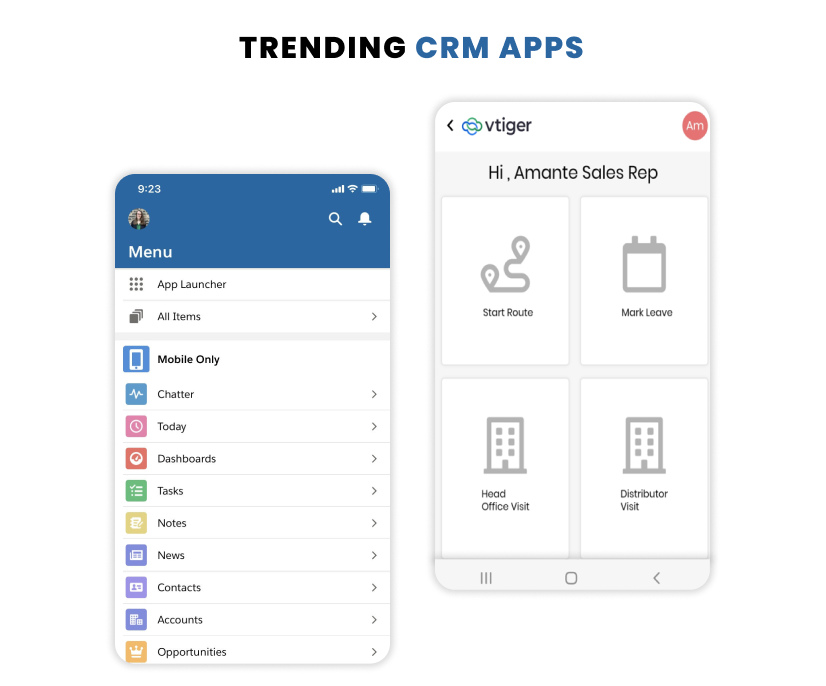
While Slack and Asana are prominent examples, the team collaboration software category offers a broader range of solutions:
- CRM (Customer Relationship Management) apps: These applications go beyond essential communication, allowing teams to analyze customer interactions, track leads, personalize marketing campaigns, and collaborate on nurturing customer relationships.
- CMS (Content Management System) apps: Team collaboration extends to content creation. CMS apps empower teams to create, edit, and publish content for the enterprise’s social media and websites, fostering brand awareness and customer loyalty through a unified voice.
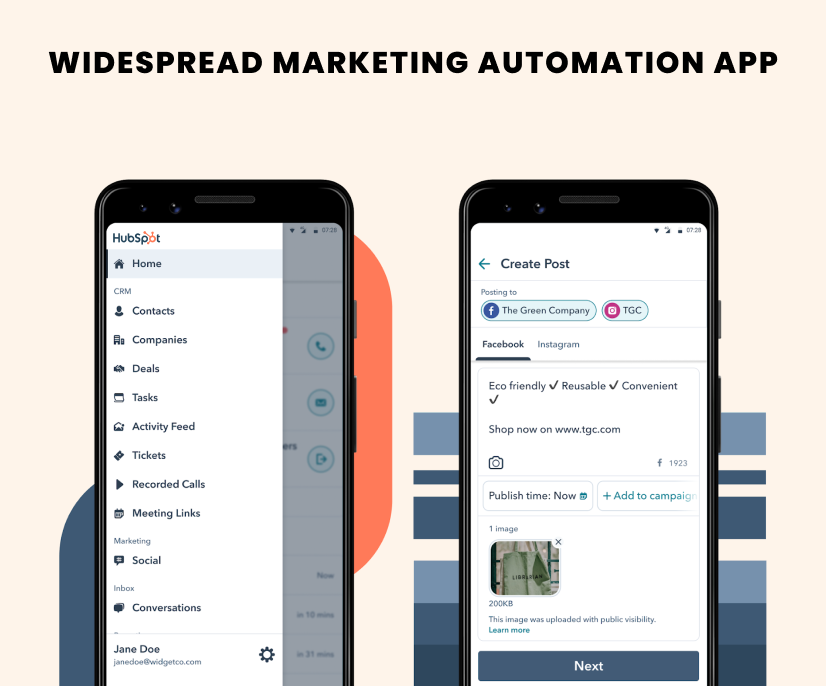
Marketing Automation Software
Marketing automation streamlines repetitive tasks like email marketing and social media scheduling, allowing your team to focus on strategic initiatives. These apps provide valuable insights through analytics dashboards, enabling data-driven marketing decisions and campaign optimization.
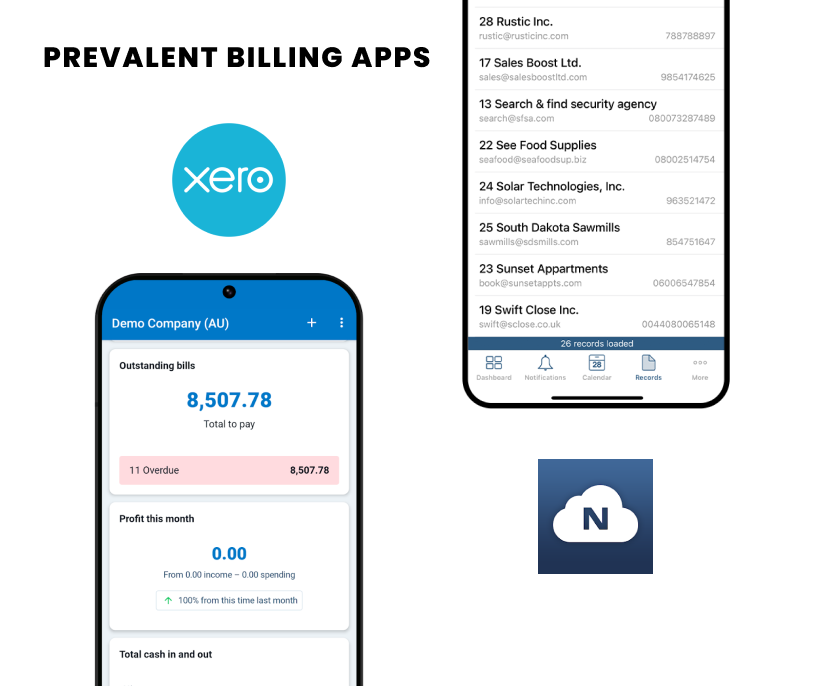
Billing Systems
Gone are the days of paper invoices. Mobile billing systems automate the billing process, including invoicing, payments, and reminders. They often integrate with popular payment gateways and existing CRM or ERP platforms for seamless operation, improving cash flow and reducing administrative burdens.
Messaging Software
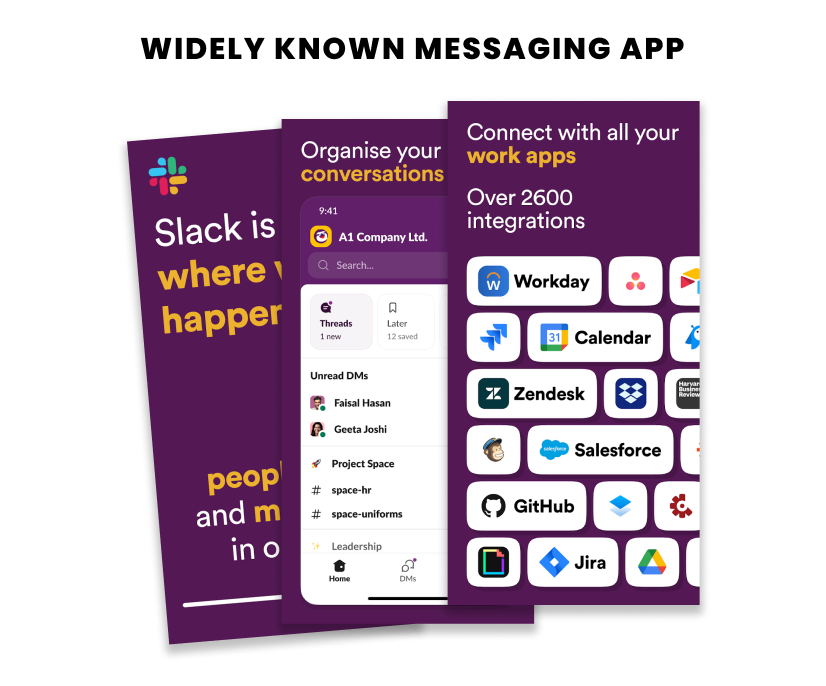
Messaging apps are vital for facilitating seamless communication between your team and customers. Many platforms offer features like audio/video conferencing, file sharing, and self-service portals, fostering positive customer interactions and improving resolution times.
Customer Support Software
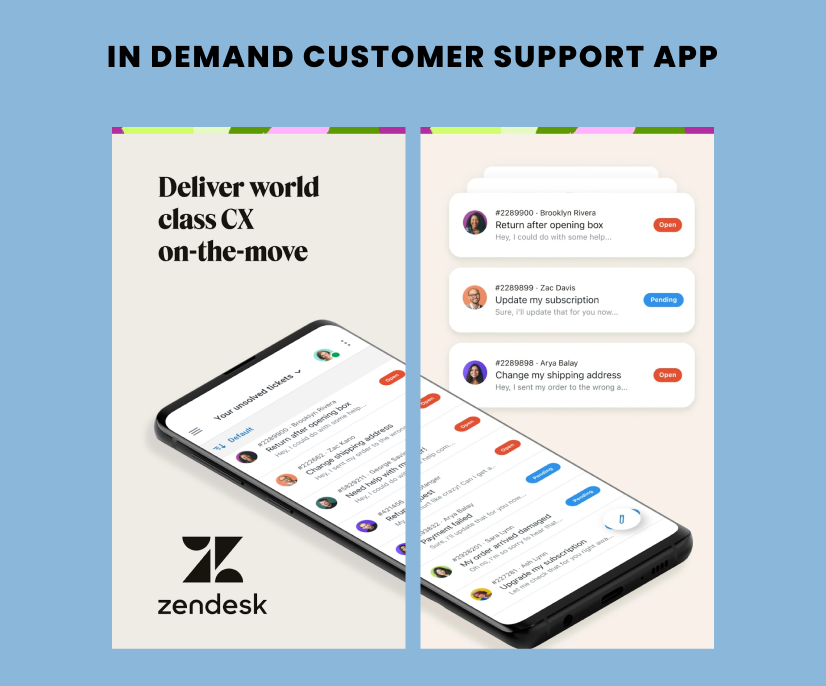
Customer support software goes beyond basic messaging. It empowers teams to handle complex inquiries efficiently with features like call and message routing, satisfaction ratings, self-service portals, customer management tools, and knowledge base integration. This comprehensive approach ensures a top-level service that keeps all clients satisfied.
Enterprise Application Integration (EAI)
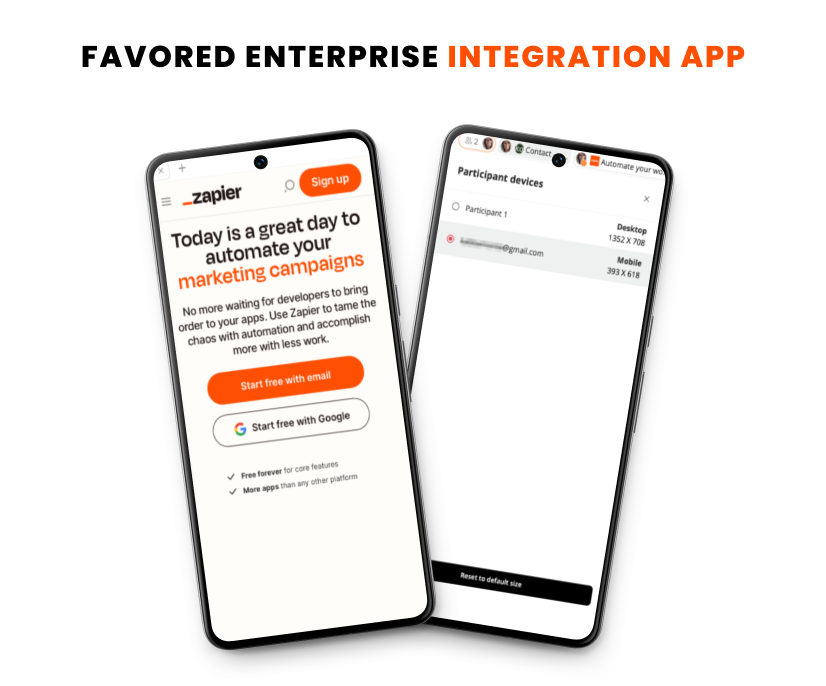
Large organizations often rely on a complex ecosystem of tools. EAI (Enterprise Application Integration) apps act as the glue, seamlessly connecting these tools and ensuring data flows smoothly across platforms. This empowers teams with a unified view of their data and eliminates the need for manual data entry, boosting efficiency, reducing errors, and enabling better decision-making.
5 Advantages of Enterprise Mobile App Development
Enterprise mobile app development offers many benefits beyond just boosting revenue and productivity. Here are some key advantages that businesses can leverage:
Streamlined Accounting Processes
Dedicated enterprise mobile apps for accounting empower accountants to manage payment deadlines, send tax notifications, handle transactions, and perform daily tasks conveniently from their smartphones. This integration enhances efficiency and simplifies workflow management.
Centralized Data Repository
Enterprise mobile application development typically involves creating robust software with extensive functionalities. By integrating various core modules, software engineers enable seamless collaboration across departments, ensuring that all data is centralized. This structured approach enhances organizational efficiency and facilitates cohesive operations.
Enhanced Supply Chain Management
Mobile apps enable businesses to monitor and control supply chains efficiently, manage courier services, and analyze warehouse operations. With access to crucial information from any location and at any time, responsible personnel can expedite processes and ensure smooth operations.
Efficient Onboarding Processes
Enterprise mobile apps often incorporate onboarding features such as introductions, tone of voice guidelines, work explanations, certifications, and contact details. This streamlines employee management and facilitates seamless integration into the company’s culture and workflows.
Digitization of Business Processes
Transitioning from paperwork to digital platforms minimizes errors and enhances efficiency. With documents accessible from any device, the need for physical copies is eliminated, reducing environmental impact and streamlining operations. Automating tasks like marketing campaigns and payments further mitigates the risk of human error and enhances overall productivity.
Aspects to Consider Before Initiating Mobile Enterprise Application Development
Launching the development process for a mobile enterprise application demands thorough planning and consideration of various aspects to ensure its success. Here are some key factors to focus on for mobile enterprise application development:
Development Objectives
Understanding the purpose and potential outcomes of the mobile app is crucial. It’s essential to align the mobile enterprise application development goals with the business objectives to maximize its effectiveness and utility.
Resource Assessment
Evaluate the existing expertise within your organization to determine if additional resources or collaboration with third-party vendors are required. Partnering with experienced enterprise app development company like Promatics India can streamline development.
Team Collaboration
Effective collaboration between your enterprise’s IT department and software vendors is essential for defining requirements and making informed decisions throughout the development lifecycle. Establishing clear communication channels is vital for project success.
Key Performance Indicators (KPIs)
Identifying measurable KPIs is essential for evaluating the app’s performance and success. These KPIs should provide both qualitative and quantitative insights to gauge the app’s impact on business objectives.
Developing enterprise-grade software necessitates careful consideration of these aspects to ensure project success. Collaborating with stakeholders and decision-makers during the planning phase can uncover additional factors to consider, providing a comprehensive approach to development.
Must-Have Features of an Enterprise Mobile App
When developing mobile enterprise applications, it’s essential to incorporate features tailored to meet the unique requirements of enterprise-grade software. Here are some essential features to consider:
Security Measures
Prioritize security by implementing features such as two-step authentication, data encryption, and role-based access control. Adhering to OWASP’s secure coding principles helps mitigate security risks and safeguard sensitive data.
User Role Management
Implement a robust permission system to control user access based on roles and responsibilities. Customize access levels to ensure appropriate data access while maintaining data security and integrity.
Third-Party Integrations
Facilitate seamless workflow integration by supporting integrations with industry-standard tools and platforms. This enhances productivity and efficiency by providing access to essential tools within the enterprise app ecosystem.
Data Sharing Capabilities
Enable seamless sharing of various data types, from text documents to large files, to support collaboration and information exchange. Remove or adjust limitations to ensure smooth data sharing and enhance user experience
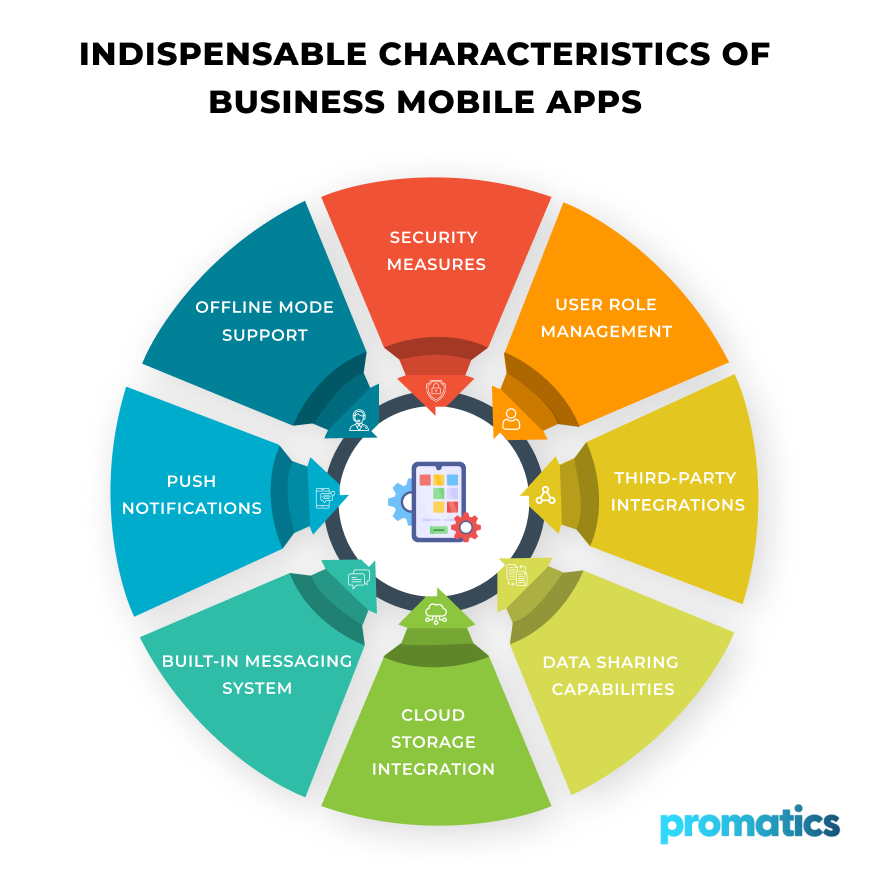
Cloud Storage Integration
Incorporate cloud storage capabilities to provide fast and reliable access to data from anywhere, enhancing team collaboration and productivity. Cloud storage ensures data availability and accessibility, even in remote or offline environments.
Built-in Messaging System
Integrate a messaging system within the enterprise app to streamline communication and collaboration among team members. Centralizing communication within the app enhances efficiency and facilitates real-time information sharing.
Push Notifications
Keep users informed and engaged by implementing push notifications to deliver timely updates and alerts. This ensures that users stay informed about important events and updates, even when they are away from their workstations.
Offline Mode Support
Enhance productivity and workflow continuity by enabling offline access to critical data and features. Offline mode functionality ensures that users can continue working seamlessly, even in environments with limited or no internet connectivity.
8 Stages to Building a Powerful Enterprise Mobile App: A Roadmap to Success
Developing a mobile app for your enterprise is an exciting journey, but navigating the process requires a clear roadmap. Here’s a breakdown of the eight key stages involved:
1. Defining Needs and Charting a Course
Before embarking on development, a thorough planning and research phase is crucial. Identify your core objectives: What problem are you solving? Who will use the app? Conduct employee surveys, brainstorm internally, and answer these critical questions:
- What are our expectations for this solution?
- What functionalities are absolutely essential (must-haves) vs. desirable (nice-to-haves)?
- How will this app contribute to our overall business goals?
By prioritizing features and establishing a preliminary development plan, you can lay the foundation for a successful app.
2. Assessing Your Technological Landscape
Understanding your existing infrastructure is vital. Can your current back-end systems integrate seamlessly with the mobile app? Analyze compatibility and potential roadblocks. Remember, modifying legacy systems can be costly. Consider cloud-based solutions as an alternative, but strive for optimal control over your resources whenever possible.
3. Prototyping: Bringing Your Vision to Life
This stage involves collaboration between developers and designers to create wireframes and prototypes. These serve as a visual representation of the app’s functionality and user interface (UI). Prototyping allows you to test a basic Minimum Viable Product (MVP), ensuring the core features function as intended before proceeding further.
4. Prioritizing User Experience (UX) Design
A user-friendly and intuitive interface is paramount for successful app adoption. Conducted in-depth user research and tested various design approaches. Remember, first impressions matter – a well-designed app fosters a positive user experience and encourages employee engagement.
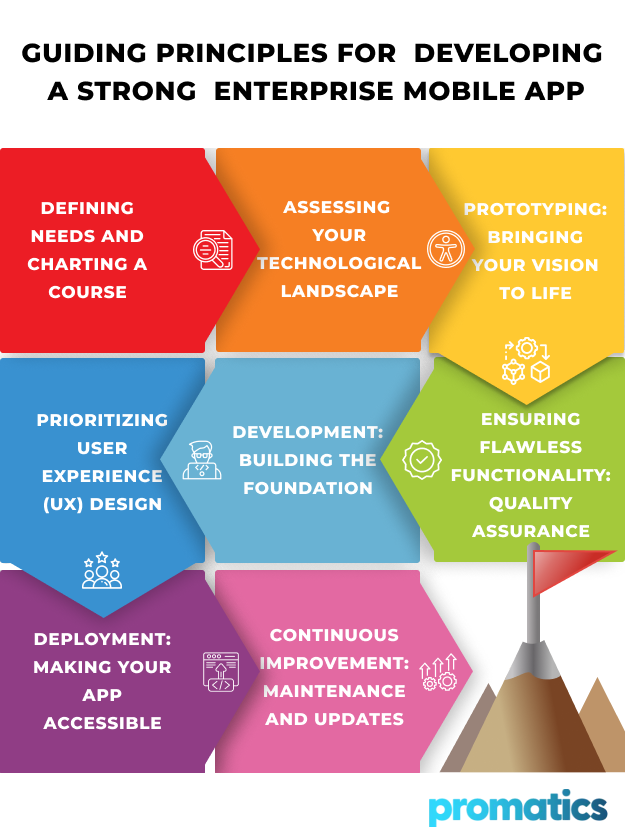
5. Development: Building the Foundation
This is the heart of the process, where software engineers bring your app to life. Back-end components like databases, APIs, and servers are set up. All functionalities are meticulously coded and tested to ensure seamless operation. While some development companies prioritize speed for startup apps, enterprise solutions require a more deliberate and quality-focused approach.
6. Ensuring Flawless Functionality: Quality Assurance
Quality Assurance (QA) engineers play a critical role. Throughout the development lifecycle, they meticulously test the app to identify and eliminate bugs and errors. Usability, performance, and user-friendliness are rigorously assessed to guarantee a polished and functional final product.
7. Deployment: Making Your App Accessible
Once the app is thoroughly tested and deemed flawless, it’s time for deployment. This involves launching servers and making the app accessible to your employees. Depending on your needs, you can distribute the app through public app stores like Play Market or App Store or opt for a more controlled approach using internal FTP servers.
8. Continuous Improvement: Maintenance and Updates
The journey doesn’t end with deployment. To ensure ongoing efficiency and adapt to evolving needs, your app requires regular maintenance and updates. Ongoing collaboration with a development team is essential for monitoring performance, addressing issues, and implementing timely updates, ensuring your app remains a valuable asset for your enterprise.
Understanding Enterprise App Development Costs
Developing a custom enterprise mobile app typically ranges between $200,000 and $500,000. This cost varies based on several factors, including:
- The complexity and security requirements inherent to enterprise software.
- Different developer hourly rates based on location.
- The size and composition of the development team.
- The number and complexity of features included in the app.
By meticulously planning features and prioritizing must-haves, you can avoid exceeding your budget and ensure your investment delivers a powerful, cost-effective solution that empowers your workforce and drives business success.
Building Your Enterprise Mobile Dream Team: A Faster, More Efficient Approach
Enterprise mobile app development is a strategic investment, but assembling the right team can be a hurdle. Promatics Technologies, one of the best enterprise app development company offers a powerful solution to accelerate your journey.
Why Promatics Technologies?
- FAANG-Level Expertise: We connect you with a global pool of highly skilled developers possessing the deep experience and technical know-how typical of top tech companies (FAANG – Facebook, Amazon, Apple, Netflix, Google).
- Agile Team Formation: Our streamlined process allows you to build a custom team with the exact technical stack and industry expertise you need – in under 4 weeks! Choose from remote or local talent to optimize your project structure.
- Tailored Solutions, Streamlined Delivery: We understand the unique challenges of enterprise app development. We focus on finding the perfect fit for your project, ensuring your team possesses the skills to navigate complex regulations, prioritize robust security (including top-tier data protection), and integrate seamlessly with cloud storage and offline functionality. This focus on efficiency translates to cost savings in the long run.
Conclusion
Let the complexities of building a secure and efficient enterprise app slow you down. Promatics India empowers you to assemble a dream team of experts, ensuring your project stays on track and delivers a powerful mobile solution that drives business growth.
Ready to Take the First Step?
Contact Promatics India today for a free consultation and project estimate. Let’s discuss your needs and connect you with the software engineers who will bring your mobile enterprise application vision to life!
Frequently Asked Questions
1. What distinguishes enterprise mobile applications from consumer-oriented apps?
Mobile applications for enterprise are custom-built solutions tailored to address specific organizational needs and workflows. Unlike consumer apps, they are deployed exclusively within a company’s infrastructure to enhance operational efficiency and empower employees.
2. What are the critical challenges in developing enterprise mobile apps?
Developing enterprise-grade apps involves navigating challenges such as scalability, flexibility, and security. These apps must seamlessly integrate with existing systems, adhere to stringent security standards, and accommodate future business growth.
3. What are the essential features to consider when developing an enterprise mobile app?
Key features include robust security measures, user role management, support for third-party integrations, seamless data sharing capabilities, cloud storage integration, built-in messaging systems, push notifications, and offline mode support.
4. How does enterprise mobile app development contribute to business growth?
Integrating social media features into web applications amplifies user engagement and
bolsters brand visibility. Businesses can foster meaningful interactions by aligning online
services with users’ preferred social networks. Social integration enhances user
experience and broadens the app’s reach, deepening interaction levels and nurturing
valuable engagement with the brand.
5. What factors influence the cost of enterprise mobile app development?
The cost varies based on factors such as the complexity of the app, security requirements, developer hourly rates, team composition, and the number of features included. By prioritizing essential features and efficient team formation, businesses can optimize development costs while delivering a robust solution.
