How to Build a Custom Mobile App for your Shopify Store?
TL;DR
- Explains how to build a custom mobile app for Shopify stores.
- Covers planning, design, development, and API integration.
- Highlights essential eCommerce features and user experience.
- Discusses scalability, security, and app performance.
- Helps Shopify merchants increase engagement and sales.
The Shopify platform has transformed e-commerce, enabling companies of all sizes to establish and operate online stores with ease. But in today’s mobile-first era, merely having an online store is no longer sufficient. Customers increasingly desire to shop using mobile apps because they are convenient, fast, and easy to use. In order to compete and maximize customer interaction, having a custom mobile app for your Shopify store is a smart business decision.
This guide delves into why you require a Shopify mobile app, what features to add, and how to create a custom Shopify app that supports your business objectives. We will also cover the shortcomings of pre made Shopify app builders and why a custom solution is a better option. We will also examine how Shopify APIs enable businesses to design seamless mobile experiences.
What Is the Shopify E-commerce Universe?
Shopify is one of the most popularly utilized e-commerce platforms in the world, enabling over a million merchants. Shopify provides merchants with a strong infrastructure to build, manage, and expand online stores. Shopify’s huge marketplace hosts many apps and plugins that enhance functionality, from payment gateways and inventory management to marketing automation and customer service integrations.
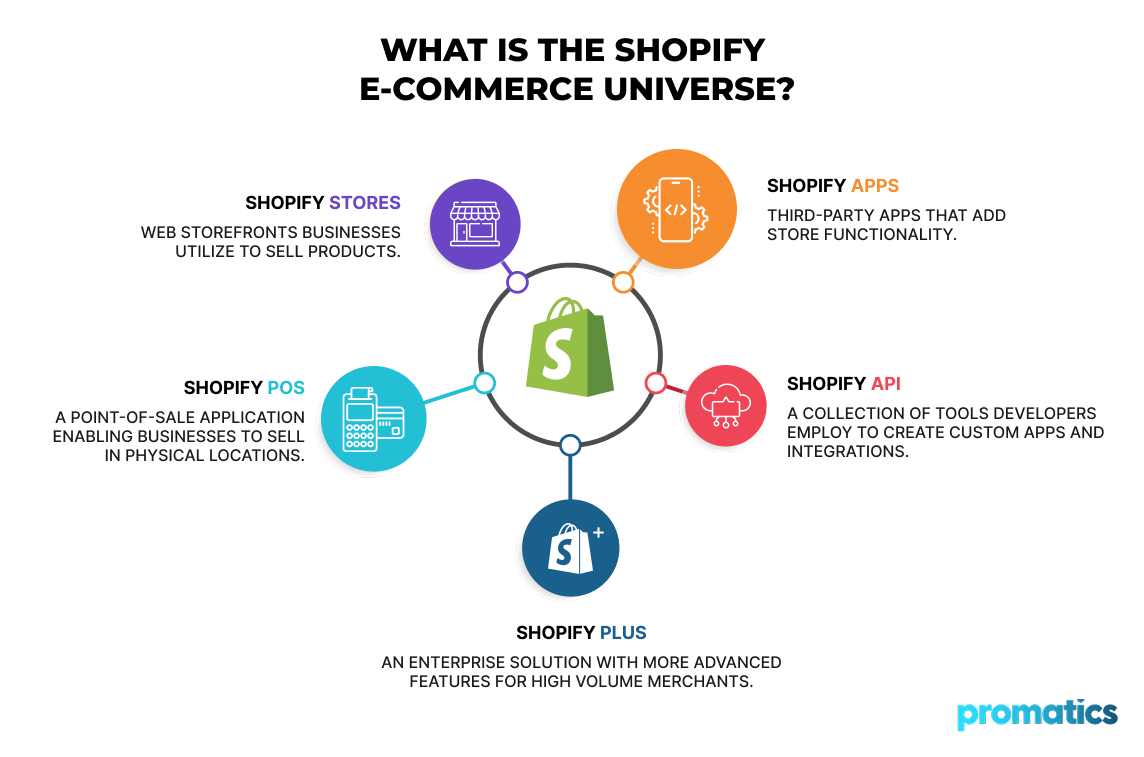
The Shopify ecosystem includes:
- Shopify Stores – Web storefronts businesses utilize to sell products.
- Shopify Apps – Third-party apps that add store functionality.
- Shopify API – A collection of tools developers employ to create custom apps and integrations.
- Shopify Plus – An enterprise solution with more advanced features for high-volume merchants.
- Shopify POS – A point-of-sale application enabling businesses to sell in physical locations.
Shopify’s app platform allows businesses to embed specialized features into their stores, such as automated marketing, advanced analytics, and customer service features. While Shopify’s built-in mobile-responsive design gives usability across platforms, a dedicated mobile app provides an optimized shopping experience that meets customer demands.
A mobile app allows greater integration with device-specific features, such as camera access for barcode scanning, GPS location tracking, and push notifications for targeted offers. It also reduces browser dependency, offering a faster and more interactive shopping experience.
Why You Need to Build a Shopify Mobile App for Your Store
1. Increased Customer Engagement
A mobile application offers a real-time communication line with your customers via push notifications, special offers, and individualized shopping experiences. Customers who have downloaded your app are likely to come back and make repeat purchases. Mobile applications also offer features such as in-app messaging and social media integration, enabling brands to keep in touch with their audience on a personal level.
With push notifications, you can instantly notify customers about sales, out-of-stock products, and targeted recommendations, engaging them with your store. Push notifications are reported to have greater open rates compared to emails, making them a great marketing tool.
2. Enhanced Shopping Experience
In contrast to mobile websites that rely on the capabilities of browsers and internet connections, mobile applications provide a faster and more efficient shopping experience. They offer simpler navigation, offline access to certain functionalities, and a more convenient checkout process. The increased speed and convenience push customers to purchase more frequently and lower cart abandonment rates.
Apps enable companies to integrate interactive features such as product videos, AR-enabled virtual try-ons, and AI-powered search functionality. These enhance the shopping experience, making it more engaging and easy to use, resulting in higher sales and customer retention.
3. Brand Loyalty and Recognition
A focused app makes a brand more visible, as the icon of your store is permanently on the device of the user. Apps forge a deeper emotional bond with the customer, stimulating brand loyalty by offering rewards schemes, wish lists, and push promotions. Further, app-specific discounts and rewards schemes can be used to generate a community of active customers who like to shop through your mobile app.
A well-designed app also fortifies your brand image. With personalized themes, branded content, and interactive UI elements, organizations can craft an immersive shopping experience that speaks to their audience.
4. Higher Conversion Rates
Mobile apps convert at a much higher rate than mobile sites. One-click checkout, stored payment information, and push notifications to facilitate quicker and simpler purchases. The frictionless checkout combined with secure payments prompts customers to finish their purchases without hesitation.
Cart abandonment is a serious problem for online stores, but mobile apps mitigate this issue with automated reminders, easy payment gateways, and built-in chat support for instant query resolution.
5. Better Performance Than Mobile Websites
Mobile sites are dependent on third-party scripts and browser caching, which negatively impact speed. Apps are optimized for efficiency and speed, resulting in a smoother shopping experience with less loading time. This improved performance directly affects increased customer satisfaction and retention.
An exclusive mobile application removes the usual web-based distractions like slow page loading, ad pop-ups, and browser navigation problems, providing a more streamlined and enjoyable shopping experience.
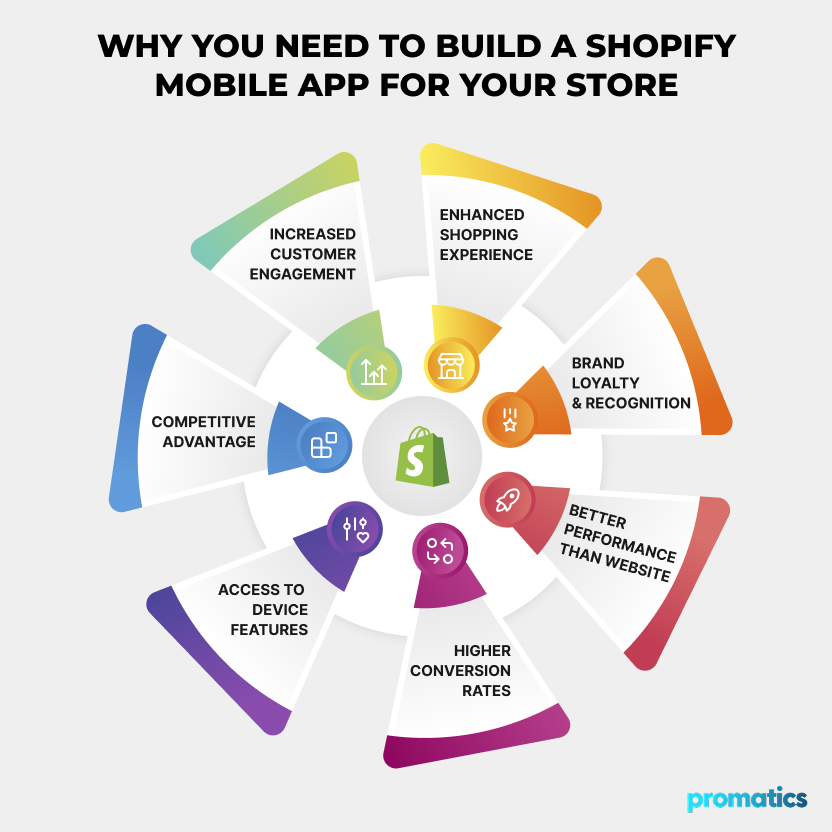
6. Access to Device Features
Mobile applications can be integrated with device capabilities such as cameras, GPS, and biometric authentication, allowing users to shop, pay, and monitor orders more conveniently. For instance, users can use QR code scanning to redeem discounts or upload images for personalized product customization.
GPS-based location tracking can offer customers store suggestions, delivery times, and location-based promotions based on their geographical location. This is hard to accomplish with a typical mobile website.
7. Competitive Advantage
Having a mobile app makes your brand stand out from competition based only on websites, providing you with an added advantage of customer retention and engagement. With app-specific features and quicker customer support options, companies can improve the overall shopping experience.
A mobile app makes your business look ahead-of-time and customer-focused, appealing to tech-mavens who value convenience and efficiency in shopping.
Key Features to Include While You Build a Shopify Mobile App
Developing a Shopify mobile app involves meticulous planning to provide an optimal user experience. Below are the essential features that will make the app engaging, effective, and customer-centric:
- User-Friendly Interface – A neat, intuitive UI that makes browsing products and checkout easy is vital.
- Push Notifications – Keep customers engaged with timely reminders on sales, new products, and order status.
- Secure Payment Integration – Integrate support for various payments such as credit/debit cards, PayPal, Apple Pay, and Google Pay.
- Product Catalog Synchronization – Provide real-time inventory synchronization between your Shopify website and mobile application.
- Personalization & AI Recommendations – Improve the customer experience by providing personalized product recommendations based on browsing history.
- Loyalty Programs & Rewards – Provide rewards and special deals within the application to drive repeat purchases.
- Multi-language & Currency Support – Address the international crowd with language and currency flexibility.
- Offline Access – Enabling product catalog browsing and wish list management without the Internet.
- Advanced Analytics – Monitor user behavior, interaction, and sales analytics to make the best out of marketing strategies.
- Augmented Reality (AR) Shopping – Allow virtual previews of products to increase customer confidence before a purchase.
- Chat Support & Chatbots – Offer immediate support through chatbots driven by artificial intelligence and live chat.
- Social Media Integration – Enable ease of login and product sharing on Facebook, Instagram, and others.
- Seamless Checkout – Minimize hurdles in the shopping process with offerings such as autofill, stored preferences, and express checkout.
- User Reviews & Ratings – Create trust by enabling customer reviews and ratings for the products.
- Order Tracking & Notifications – Provide real-time updates on order status and estimated delivery times.
Through the integration of these functionalities, companies can establish a seamless, interactive, and high-converting mobile shopping experience for customers.
How to Build a Mobile App with the Shopify API
Shopify offers a robust API that enables developers to create custom mobile apps based on particular business requirements. Here’s how you can use the Shopify API to develop a mobile app:
Step 1: Understand Shopify’s API Ecosystem
Shopify offers a wide range of APIs that enable developers to develop and integrate mobile apps. The major APIs are:
- Admin API – Provides access to store data such as products, orders, customers, and transactions.
- Storefront API – Supports seamless shopping through tailored front-end interactions.
- GraphQL API – Provides effective querying functionality for fetching targeted data in a formatted way.
- REST API – Provides endpoints for different functionalities like managing orders, product catalogs, and checkout.
Step 2: Choose the Right Development Framework
You can use frameworks like React Native, Flutter, or native development tools (Swift for iOS, Kotlin for Android) to build the app. React Native is particularly popular due to its cross-platform compatibility and efficient performance.
Step 3: Set Up API Authentication
To interact with Shopify APIs, you’ll need API keys. Shopify provides OAuth authentication, which ensures secure API access. Developers must generate and configure API credentials within the Shopify Partner Dashboard.
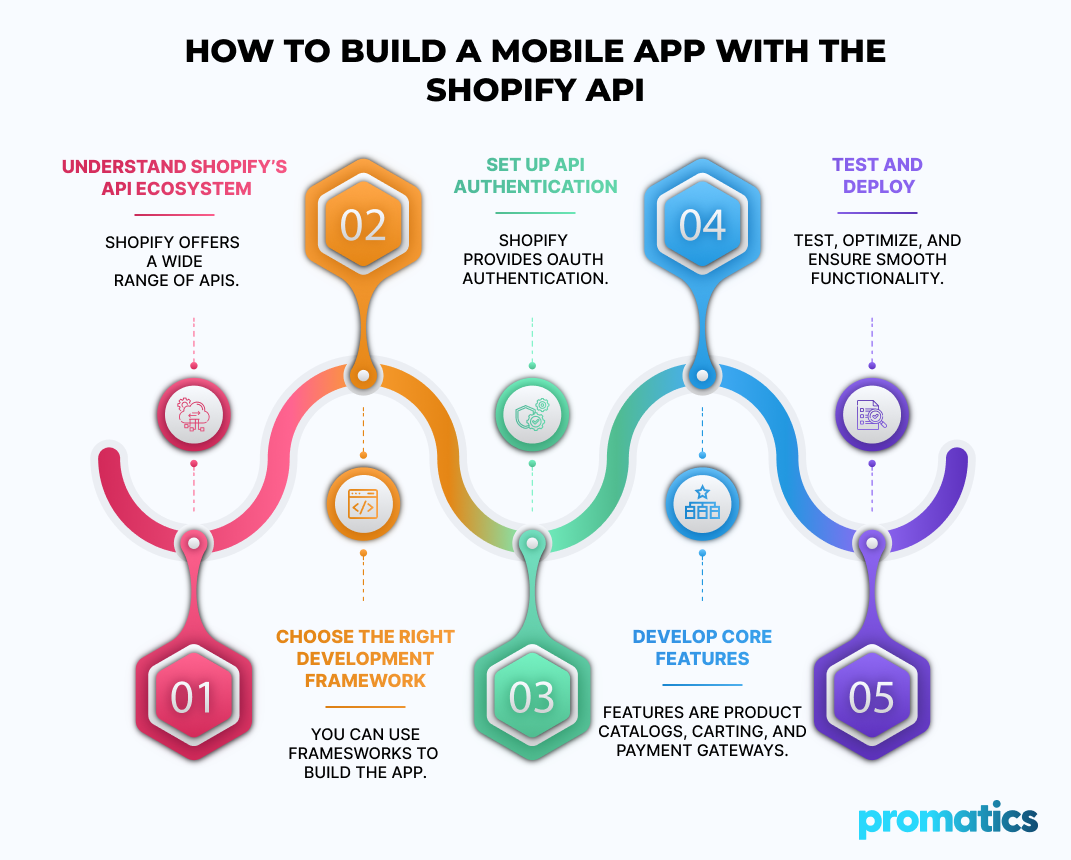
Step 4: Develop Core Features
Begin by including core features like product catalogs, carting, and payment gateways. Shopify APIs allow:
- Retrieving and rendering product information
- Handling customer accounts and orders
- Secure payment processing with Shopify’s Payment API
Step 5: Test and Deploy
Prior to launch, run extensive testing to detect bugs, improve performance, and have smooth functionality. Utilize Shopify’s sandbox environment for secure testing before deployment of your app.
With the help of Shopify’s robust APIs, companies can create completely personalized mobile apps that match their brand, enhance user experience, and increase conversions.
Why You Shouldn’t Use Shopify Mobile App Builders to Build Your Mobile Apps
Shopify app makers for mobile are perhaps a swift and budget-friendly solution for creating an app, but they do have many severe disadvantages that will affect performance, scalability, and the brand’s name. These are some of the reasons why depending on them will not always work:
- Limited Customization: App creators offer standard templates that limit branding and one-of-a-kind UI/UX designs. This creates apps that resemble competitors, which makes it more difficult to differentiate.
- Performance Issues: Pre-made solutions tend to create bloated code, causing slow loading and poor responsiveness, ultimately detracting from the user experience.
- Scalability Limitations: As your enterprise expands, you might require feature-rich features and integrations that cannot be sustained by app creators, leading to a rebuild.
- Limited API Visibility: Most app creators do not provide complete API access, inhibiting the construction of in-depth integrations, automating functionalities, and even expanding functionality.
- Higher Long-Term Costs: Although app builders seem cheap upfront, their subscription model costs money in the long run. Moreover, paying for premium features or bypassing limitations can be expensive workarounds.
For companies seeking a long-term, scalable mobile solution, custom development is the better option.
What’s the Best Way to Build an App for Your Shopify Store?
The ideal method for building a Shopify app relies on your business objectives, budget, and technical needs. A well-planned process makes for a smooth development experience:
1. Define Your App’s Objectives
Determine the major features your app should include. Do you require a sophisticated loyalty program, AI-driven suggestions, or the ability to shop offline? Stating these necessities will inform your development plan.
2. Choose the Right Development Approach
- Native Apps (Swift for iOS, Kotlin for Android): Best for high-performance apps but requires separate development for each platform.
- Cross-Platform Apps (React Native, Flutter): Allows a single codebase for both iOS and Android while maintaining good performance and UI flexibility.
3. Utilize Shopify APIs for Seamless Integration
Tap Shopify’s Storefront API, Admin API, and GraphQL API to embed fundamental store features like product lists, real-time stock updates, and tailored shopping experiences.
4. Focus on UX/UI Design
A mobile-friendly, intuitive design is critical for engagement and conversions. Consider:
- Easy navigation to streamline product discovery.
- One-click checkout to reduce cart abandonment.
- Personalized recommendations using customer behavior analytics.
5. Test and Optimize
Conduct rigorous testing to eliminate bugs and ensure a seamless user experience before launching on the App Store and Google Play.
6. Deploy and Continuously Improve
Once your app is live, track analytics, user feedback, and conversion rates to refine and enhance features over time.
Why Building Custom Shopify Mobile Apps Is a Better Option
Custom Shopify apps provide more flexibility, performance, and long-term value than generic app builders. Here’s why a custom solution is the better investment:
Complete Customization: Customize every detail of your app to fit your brand identity, customer requirements, and specific business needs.
- Improved Performance: Optimized for speed and efficiency, providing a seamless shopping experience without unnecessary bulk.
- Scalability: As your enterprise grows, you can introduce new features such as AI-powered suggestions, AR testing, and voice search without scale limits.
- Broader Integrations: A built-to-order application provides easy integrations with Shopify’s APIs, third-party extensions, and automation marketing platforms.
- Better Security: Custom applications give you more authority over data compliance and protection and reduce security concerns.
- Long-Term Cost-Effectiveness: Although the initial cost is more, you skip ongoing subscription payments and limitations associated with app builders.
By investing in a personalized Shopify mobile app, you reap a competitive edge, increase customer engagement, and future-proof your business for further growth.
Launch Your Shopify Mobile App Today
Developing a mobile app for your Shopify store is no longer a choice—it’s a necessity if you want to remain competitive in the e-commerce industry. A custom Shopify mobile app provides superior performance, customer retention, and scalability compared to pre-built app builders. It enables you to completely customize the user experience so that the shopping experience is smooth and engaging.
A mobile application also reinforces your brand identity, providing a deeper shopping experience through unique features such as push messaging, loyalty cards, and artificial-intelligence-powered suggestions. Your customers are more inclined to interact with your brand, repeat their business, and carry out positive word-of-mouth publicity, resulting in long-term business expansion.
In addition, with Shopify’s powerful API at their fingertips, companies can design custom solutions that fit their business requirements to a T. In contrast to generic app builders that restrict functionality and customization, a fully realized mobile app guarantees that your store will be unique in a competitive market. From improved security to improved checkout experiences, the advantages of a custom Shopify app far surpass the ease of drag-and-drop builders.
If you wish to future-proof your Shopify store, investing in a mobile app is the next logical step. Begin today and turn your Shopify store into a successful mobile commerce powerhouse that provides a seamless, high-converting shopping experience for your customers!
