Insights
Discover the latest trends, insights, and best practices in web and mobile app development
AI Agent Development Companies: Benefits, Services & How to Choose the Right Partner (2026 Guide)

What if your software could analyze problems, make decisions, and execute tasks autonomously without constant human input? This is no longer a futuristic concept.
Artificial Intelligence Service Providers in India (2026): Market Analysis, Industry Trends & Leading Companies

Artificial Intelligence (AI) is rapidly reshaping the global economy. What was once considered an experimental technology is now a core driver of enterprise innovation, operational efficiency, and competitive advantage.
Web Development Agency in New York: Services, Costs, Trends, and What to Expect in 2026

In New York City, your website is more than a marketing tool; it is your most powerful business asset. It works 24/7, communicates your brand authority instantly, and often determines whether a prospect becomes a client within seconds.
Artificial Intelligence Development Services for Enterprise Innovation
Enterprise organizations are entering a new era of digital maturity. Data has become one of the most valuable strategic assets, yet most enterprises struggle to extract actionable intelligence from it. Operational inefficiencies, fragmented systems, rising compliance requirements, and increasing customer expectations create a complex environment that traditional automation cannot fully address.
How To Hire Mobile App Developers In India

Mobile applications are no longer optional for businesses; they are strategic assets that drive customer engagement, operational efficiency, and long-term growth. From startups launching innovative products to enterprises modernizing legacy systems, mobile apps now play a central role in digital transformation strategies. However, the success of any mobile initiative begins with one crucial decision: hiring the right mobile app developer.
Hybrid App Development Explained: Building Scalable Mobile Apps in 2026
Mobile applications have evolved from simple digital touchpoints into essential business infrastructure. In 2026, they play a critical role in customer acquisition, brand engagement, operational efficiency, and long-term revenue growth. For startups, mobile apps accelerate market validation and user feedback. For enterprises, they drive large-scale digital transformation and ecosystem expansion.
API First Development: Future-Proofing Your Web and Mobile Applications

Digital transformation has fundamentally changed how businesses build and scale technology. Applications are no longer isolated systems serving a single interface. Today, a digital product may simultaneously power a web platform, mobile apps, internal dashboards, partner ecosystems, analytics tools, AI engines, and third-party integrations.
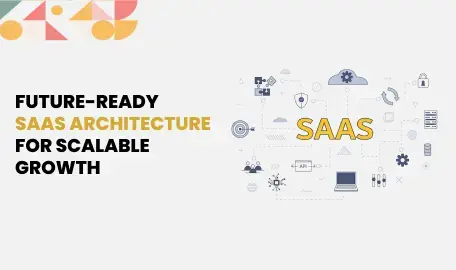
SaaS Application Architecture: Designing for Multi-Tenancy and Scale in 2026

SaaS is no longer just a software delivery model; it is the infrastructure powering today’s digital economy. From fintech platforms processing millions of transactions to AI-driven systems shaping enterprise decisions, modern SaaS applications sit at the heart of mission-critical operations. As adoption accelerates, architectural pressure intensifies.
Mobile App Development Architecture: Why It Matters for Scalable Business Growth
Users don’t judge mobile apps by their code or architecture, they judge them by how effortlessly they work. An app that loads instantly, responds smoothly, and feels reliable earns trust. One that lags, crashes, or breaks under pressure is quickly abandoned. What separates these two experiences is not just design or features, but the foundation beneath them: mobile app development architecture.