Insights
Discover the latest trends, insights, and best practices in web and mobile app development
What Are AI Agents? Top Reasons Enterprises Are Adopting Them Fast

Businesses are moving beyond basic automation and entering a new era of intelligent, autonomous AI systems capable of handling complex workflows with minimal human involvement.
Enterprise MVP Development with AI: Faster, Smarter & Scalable Product Builds in 2026

Launching a product has never been easier, but building one that can truly scale is where most businesses struggle.
In today’s fast-moving digital market, companies are under constant pressure to launch faster, innovate continuously, and respond quickly to changing customer expectations.
AI-Powered Quick Commerce App Development: Features, Cost & Tech Stack (Blinkit/Swiggy Model)

Quick commerce is rapidly transforming online shopping as consumers increasingly expect groceries, medicines, and daily essentials to be delivered within minutes. This growing demand has fueled the rise of platforms like Blinkit, Swiggy Instamart, and Zepto, where speed and convenience drive customer loyalty.

Mobile Wallet App Development Guide 2026: Build Apps Like PayPal & Stripe

Digital payments have become the backbone of modern commerce, transforming how people pay, transfer money, and manage finances. From buying groceries and paying utility bills to sending money instantly, users now expect payment experiences that are fast, secure, and effortless.

DevOps in FinTech: CI/CD, Compliance & Security
Speed is no longer a differentiator in fintech. It is the minimum expectation. The industry runs on real time transactions, constant innovation, and zero tolerance for downtime. In such a high stakes environment, the ability to deliver quickly must be matched with consistency, security, and reliability. This is where DevOps moves beyond technical practice and becomes a strategic pillar.
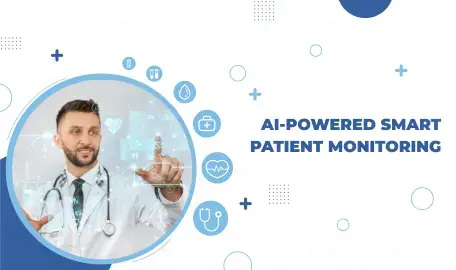
Artificial Intelligence in Remote Patient Monitoring: The Future of Smart Healthcare
Healthcare is undergoing one of the most significant transformations in modern history. Hospitals across the globe are becoming increasingly overcrowded, healthcare costs continue to rise, and patients are now seeking more convenient and accessible care from the comfort of their homes. The growing demand for remote care is also reflected in market growth.

Headless eCommerce Explained: How It Works and Why It Matters

The way people shop online has evolved significantly. Today’s customers no longer rely solely on websites; they shop through mobile apps, social media platforms, smart devices, and even voice assistants.
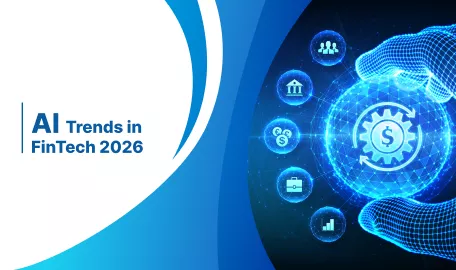
AI Trends in FinTech 2026: Intelligent Automation and AI Agents

Artificial Intelligence is rapidly transforming the financial industry, and AI in FinTech is becoming the driving force behind innovation, efficiency, and smarter decision-making.
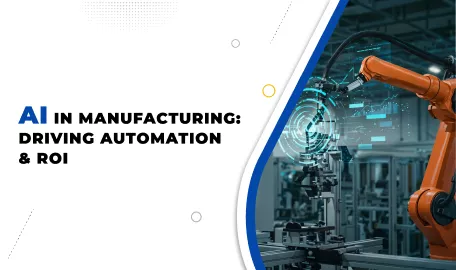
AI ML Development Solutions That Drive Automation, Innovation, and ROI
Manufacturing is no longer powered by machines alone. It is powered by intelligence. From predicting equipment failures before they occur to optimizing entire production lines in real time, Artificial Intelligence development is redefining how modern factories operate.