Insights
Discover the latest trends, insights, and best practices in web and mobile app development
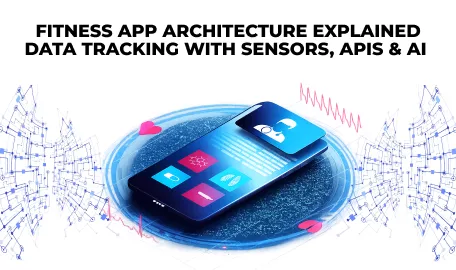
How Fitness Apps Track Data: Sensors, APIs & AI

Fitness app development in 2026 is no longer about building everything at once, it is about building the right thing first. The most successful apps start with a clear purpose, solve one meaningful problem, and expand only after validating real user needs.
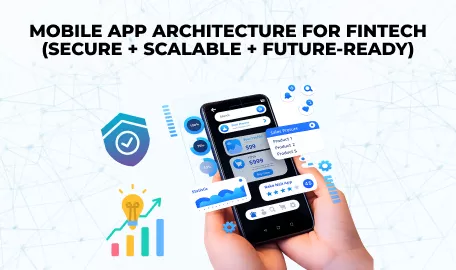
Mobile App Architecture for FinTech Apps (Security + Scaling)

What happens when millions of users try to make a payment at the same moment and your app crashes for just five minutes?
Mobile App Development: How to Build Apps That Scale to Millions of Users

What if your app suddenly went viral tomorrow? Thousands, maybe millions of users sign up overnight. Traffic spikes. Servers struggle. The app slows down… and within minutes, users start dropping off.

Headless eCommerce Explained: How It Works and Why It Matters

The way people shop online has evolved significantly. Today’s customers no longer rely solely on websites; they shop through mobile apps, social media platforms, smart devices, and even voice assistants.

Why Choose a Swift App Development Company for Your Next iOS App
For many years, Objective-C, a superset of C with object-oriented capabilities, was the primary programming language used for macOS and iOS app development.
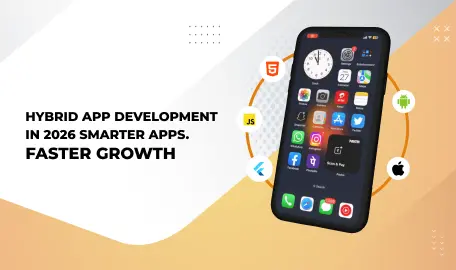
Why Hybrid App Development Is a Smart Choice in 2026
Delivering products quickly to market is no longer a competitive advantage, it’s a necessity for business survival. Businesses must build scalable digital products that deliver seamless user experiences while remaining cost-effective.

Shopify App Development Explained: From Idea to Launch in 2026

What if your next revenue stream isn’t a new product but a Shopify App? As eCommerce continues to dominate global sales, B2B businesses can no longer afford to sit on the sidelines. In fact 40% of sales executives now consider eCommerce their most profitable channel.
Web Development Agency in New York: Services, Costs, Trends, and What to Expect in 2026
In New York City, your website is more than a marketing tool; it is your most powerful business asset. It works 24/7, communicates your brand authority instantly, and often determines whether a prospect becomes a client within seconds.
Hybrid App Development Explained: Building Scalable Mobile Apps in 2026

Mobile applications have evolved from simple digital touchpoints into essential business infrastructure. In 2026, they play a critical role in customer acquisition, brand engagement, operational efficiency, and long-term revenue growth. For startups, mobile apps accelerate market validation and user feedback. For enterprises, they drive large-scale digital transformation and ecosystem expansion.