Insights
Discover the latest trends, insights, and best practices in web and mobile app development
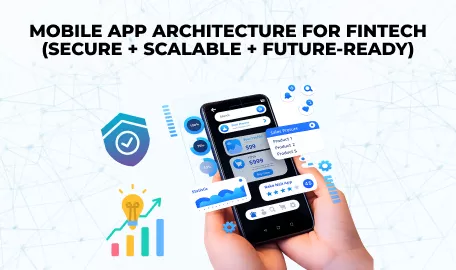
Mobile App Architecture for FinTech Apps (Security + Scaling)

What happens when millions of users try to make a payment at the same moment and your app crashes for just five minutes?
Mobile App Development: How to Build Apps That Scale to Millions of Users

What if your app suddenly went viral tomorrow? Thousands, maybe millions of users sign up overnight. Traffic spikes. Servers struggle. The app slows down… and within minutes, users start dropping off.
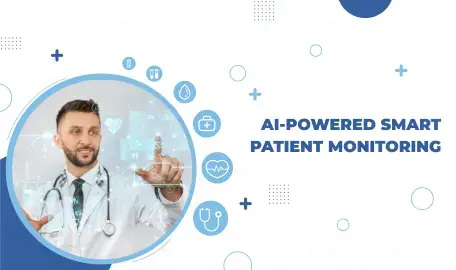
Artificial Intelligence in Remote Patient Monitoring: The Future of Smart Healthcare

Healthcare is undergoing one of the most significant transformations in modern history. Hospitals across the globe are becoming increasingly overcrowded, healthcare costs continue to rise, and patients are now seeking more convenient and accessible care from the comfort of their homes. The growing demand for remote care is also reflected in market growth.

Headless eCommerce Explained: How It Works and Why It Matters

The way people shop online has evolved significantly. Today’s customers no longer rely solely on websites; they shop through mobile apps, social media platforms, smart devices, and even voice assistants.
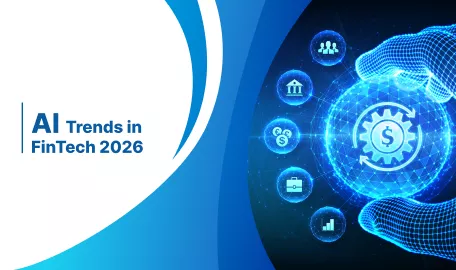
AI Trends in FinTech 2026: Intelligent Automation and AI Agents

Artificial Intelligence is rapidly transforming the financial industry, and AI in FinTech is becoming the driving force behind innovation, efficiency, and smarter decision-making.

AI ML Development Solutions That Drive Automation, Innovation, and ROI

Manufacturing is no longer powered by machines alone. It is powered by intelligence. From predicting equipment failures before they occur to optimizing entire production lines in real time, Artificial Intelligence development is redefining how modern factories operate.

Why Choose a Swift App Development Company for Your Next iOS App
For many years, Objective-C, a superset of C with object-oriented capabilities, was the primary programming language used for macOS and iOS app development.
Why Hybrid App Development Is a Smart Choice in 2026

Delivering products quickly to market is no longer a competitive advantage, it’s a necessity for business survival. Businesses must build scalable digital products that deliver seamless user experiences while remaining cost-effective.

Shopify App Development Explained: From Idea to Launch in 2026
What if your next revenue stream isn’t a new product but a Shopify App? As eCommerce continues to dominate global sales, B2B businesses can no longer afford to sit on the sidelines. In fact 40% of sales executives now consider eCommerce their most profitable channel.