Insights
Discover the latest trends, insights, and best practices in web and mobile app development
What Are AI Agents? Top Reasons Enterprises Are Adopting Them Fast

Businesses are moving beyond basic automation and entering a new era of intelligent, autonomous AI systems capable of handling complex workflows with minimal human involvement.
Enterprise MVP Development with AI: Faster, Smarter & Scalable Product Builds in 2026

Launching a product has never been easier, but building one that can truly scale is where most businesses struggle.
In today’s fast-moving digital market, companies are under constant pressure to launch faster, innovate continuously, and respond quickly to changing customer expectations.
AI-Powered Quick Commerce App Development: Features, Cost & Tech Stack (Blinkit/Swiggy Model)

Quick commerce is rapidly transforming online shopping as consumers increasingly expect groceries, medicines, and daily essentials to be delivered within minutes. This growing demand has fueled the rise of platforms like Blinkit, Swiggy Instamart, and Zepto, where speed and convenience drive customer loyalty.

Mobile Wallet App Development Guide 2026: Build Apps Like PayPal & Stripe

Digital payments have become the backbone of modern commerce, transforming how people pay, transfer money, and manage finances. From buying groceries and paying utility bills to sending money instantly, users now expect payment experiences that are fast, secure, and effortless.

DevOps in FinTech: CI/CD, Compliance & Security
Speed is no longer a differentiator in fintech. It is the minimum expectation. The industry runs on real time transactions, constant innovation, and zero tolerance for downtime. In such a high stakes environment, the ability to deliver quickly must be matched with consistency, security, and reliability. This is where DevOps moves beyond technical practice and becomes a strategic pillar.
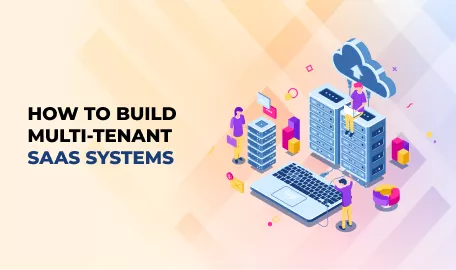
Designing Multi-Tenant SaaS Platforms: Architecture and Best Practices

The growing adoption of multi-tenant architecture is closely aligned with the rapid expansion of cloud computing and SaaS-driven business models. As organizations continue to shift toward cloud-based applications, the need for scalability, cost efficiency, and centralized management has become increasingly critical.
Web Development Agency in New York: Services, Costs, Trends, and What to Expect in 2026

In New York City, your website is more than a marketing tool; it is your most powerful business asset. It works 24/7, communicates your brand authority instantly, and often determines whether a prospect becomes a client within seconds.
How To Hire Mobile App Developers In India
Mobile applications are no longer optional for businesses; they are strategic assets that drive customer engagement, operational efficiency, and long-term growth. From startups launching innovative products to enterprises modernizing legacy systems, mobile apps now play a central role in digital transformation strategies. However, the success of any mobile initiative begins with one crucial decision: hiring the right mobile app developer.
API First Development: Future-Proofing Your Web and Mobile Applications
Digital transformation has fundamentally changed how businesses build and scale technology. Applications are no longer isolated systems serving a single interface. Today, a digital product may simultaneously power a web platform, mobile apps, internal dashboards, partner ecosystems, analytics tools, AI engines, and third-party integrations.