Insights
Discover the latest trends, insights, and best practices in web and mobile app development
Hybrid App Development Services in 2027: AI, Frameworks, and Trends

Hybrid app development in 2027 is evolving with AI-native features, on-device AI processing, agentic automation, and API-first architecture. Frameworks such as Flutter, React Native, Ionic, Kotlin Multiplatform, and .NET MAUI help businesses build applications for iOS and Android with shared codebases. Choosing the right development approach requires evaluating performance, security, scalability, user experience, and long-term maintenance to create future-ready mobile applications.
Agentic AI vs. AI Agents: Architecture, Capabilities, and Business Applications
Artificial intelligence is moving beyond generating text, answering questions, and analyzing information. Businesses are increasingly exploring systems that can make decisions, execute tasks, interact with enterprise applications, and coordinate multiple operations with limited human intervention.
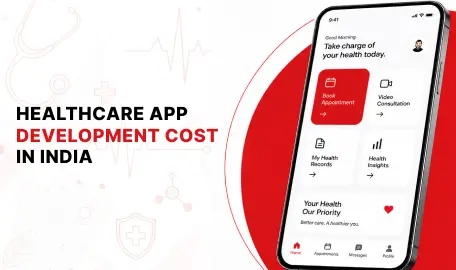
Healthcare App Development Cost in India: Complete Breakdown

Healthcare applications have become an important part of how hospitals, clinics, healthcare startups, and digital health businesses deliver services in 2026. From virtual consultations and appointment booking to remote patient monitoring and AI-powered healthcare solutions, mobile technology is helping organizations make healthcare more accessible and efficient.
Legacy Mobile App Modernization: Strategies, Timing, and Business Benefits

Your mobile app may still serve its purpose, but is it ready for what your business needs next? As user expectations rise and technology evolves, applications built around older frameworks can struggle with performance, security, third-party integrations, and the demands of ongoing development. Replacing the entire application is not always necessary. With the right mobile app modernization services, businesses can rethink existing architecture, resolve technical limitations, improve functionality, and adapt their software to changing requirements. The key is knowing what needs to change, which improvements will deliver value, and how to modernize without disrupting essential business operations.
Enterprise API Development: Architecture, Security, Integration, and Scalability

Modern enterprises rely on interconnected applications to manage customer data, process transactions, automate workflows, and deliver digital experiences. Enterprise API development enables these systems to exchange information securely and consistently.
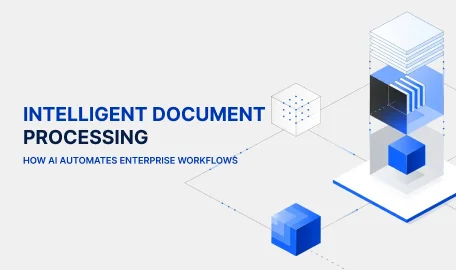
Intelligent Document Processing: How AI Automates Enterprise Document Workflows
Enterprises handle invoices, contracts, purchase orders, insurance claims, customer forms, employee records, and financial statements every day. Although these documents contain valuable business information, extracting and processing it manually can slow operations, increase costs, and introduce errors.
Legacy Application Modernization: Strategies, Benefits, and Best Practices for Enterprise Software

Your software should accelerate business growth, not hold it back. Yet, many organizations still rely on legacy systems that struggle to meet modern security requirements, handle growing workloads, and deliver seamless integrations. Rising maintenance costs, outdated infrastructure, and limited scalability can slow innovation and make adopting cloud computing or AI increasingly difficult.
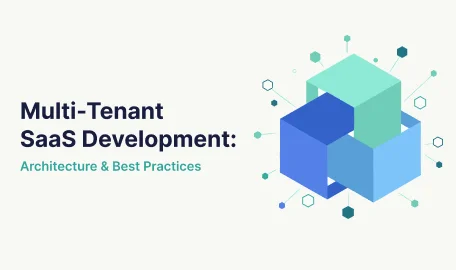
Multi-Tenant SaaS Development: Architecture, Security, Scalability, and Best Practices

The best multi-tenant SaaS architecture balances development costs, security, performance, and future growth. Promatics Technologies helps businesses plan and develop scalable software solutions aligned with their product and business requirements.

Data Modeling for AI: Techniques, Challenges, Statistics and Best Practices
Data modeling for AI is the process of structuring, connecting, transforming, and managing data so it can effectively support artificial intelligence and machine learning applications.